£750.00Original price was: £750.00.£399.99Current price is: £399.99.
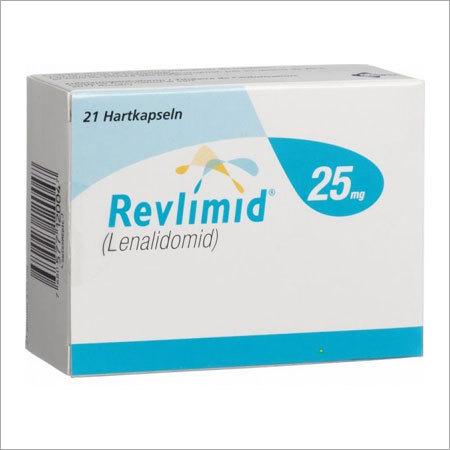
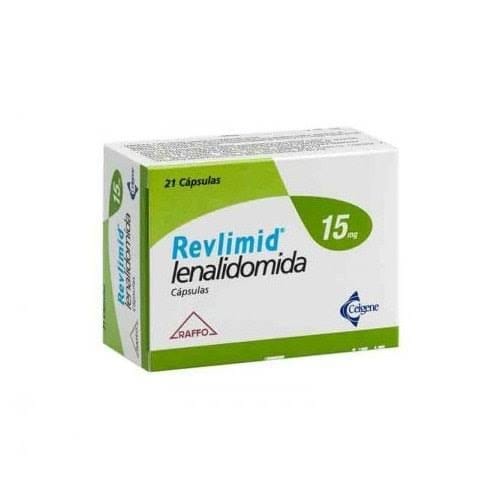
REVLIMID® (lenalidomide) is a prescription medicine, used to treat adults with multiple myeloma (MM) in combination with the medicine dexamethasone, or as maintenance treatment after autologous hematopoietic stem cell transplantation (a type of stem cell transplant that uses your own stem cells). REVLIMID should not be used to treat people who have chronic lymphocytic leukemia (CLL) unless they are participants in a controlled clinical trial. It is not known if REVLIMID is safe and effective in children.
Take REVLIMID exactly as prescribed and follow all the instructions of the Lenalidomide REMS program
Swallow REVLIMID capsules whole, with water, 1 time a day. Do not open, break, or chew your capsules.
REVLIMID may be taken with or without food.
Take REVLIMID at about the same time each day.
Do not open the REVLIMID capsules or handle them any more than needed. If powder from the REVLIMID capsule comes in contact with:
your skin, wash the skin right away with soap and water.
inside of your eyes, nose, or mouth, flush well with water.
If you miss a dose of REVLIMID and it has been less than 12 hours since your regular time, take it as soon as you remember. If it has been more than 12 hours, just skip your missed dose. Do not take 2 doses at the same time.
If you take too much REVLIMID, call your healthcare provider right away.
What should I avoid while taking REVLIMID?
See “What is the most important information I should know about REVLIMID?”
Females: Do not get pregnant and do not breastfeed while taking REVLIMID.
Males: Do not donate sperm.
Do not share REVLIMID with other people. It may cause birth defects and other serious problems.
Do not donate blood while you take REVLIMID, during any breaks (interruptions) in your treatment, and for 4 weeks after stopping REVLIMID. If someone who is pregnant gets your donated blood, her baby may be exposed to REVLIMID and may be born with birth defects.
What are the possible side effects of REVLIMID?
REVLIMID can cause serious side effects, including:
See “What is the most important information I should know about REVLIMID?”
Increased risk of death in people who have chronic lymphocytic leukemia (CLL). People with CLL who take REVLIMID have an increased risk of death compared with people who take the medicine chlorambucil. REVLIMID may cause you to have serious heart problems that can lead to death, including atrial fibrillation, heart attack, or heart failure. You should not take REVLIMID if you have CLL unless you are participating in a controlled clinical trial.
Risk of new cancers (malignancies). An increase in new (second) cancers has happened in patients who received REVLIMID and melphalan, or a blood stem cell transplant, including certain blood cancers, such as acute myelogenous leukemia (AML), myelodysplastic syndromes (MDS), and certain other types of cancers of the skin and other organs. Talk with your healthcare provider about your risk of developing new cancers if you take REVLIMID. Your healthcare provider will check you for new cancers during your treatment with REVLIMID.
Severe liver problems, including liver failure and death. Your healthcare provider should do blood tests to check your liver function during your treatment with REVLIMID. Tell your healthcare provider right away if you develop any of the following symptoms of liver problems:
yellowing of your skin or the white part of your eyes (jaundice)
dark or brown (tea-colored) urine
pain on the upper right side of your stomach area (abdomen)
bleeding or bruising more easily than normal
feeling very tired
Reviews
There are no reviews yet.
Be the first to review “REVLIMID® (lenalidomide)” Cancel reply

Reviews
There are no reviews yet.